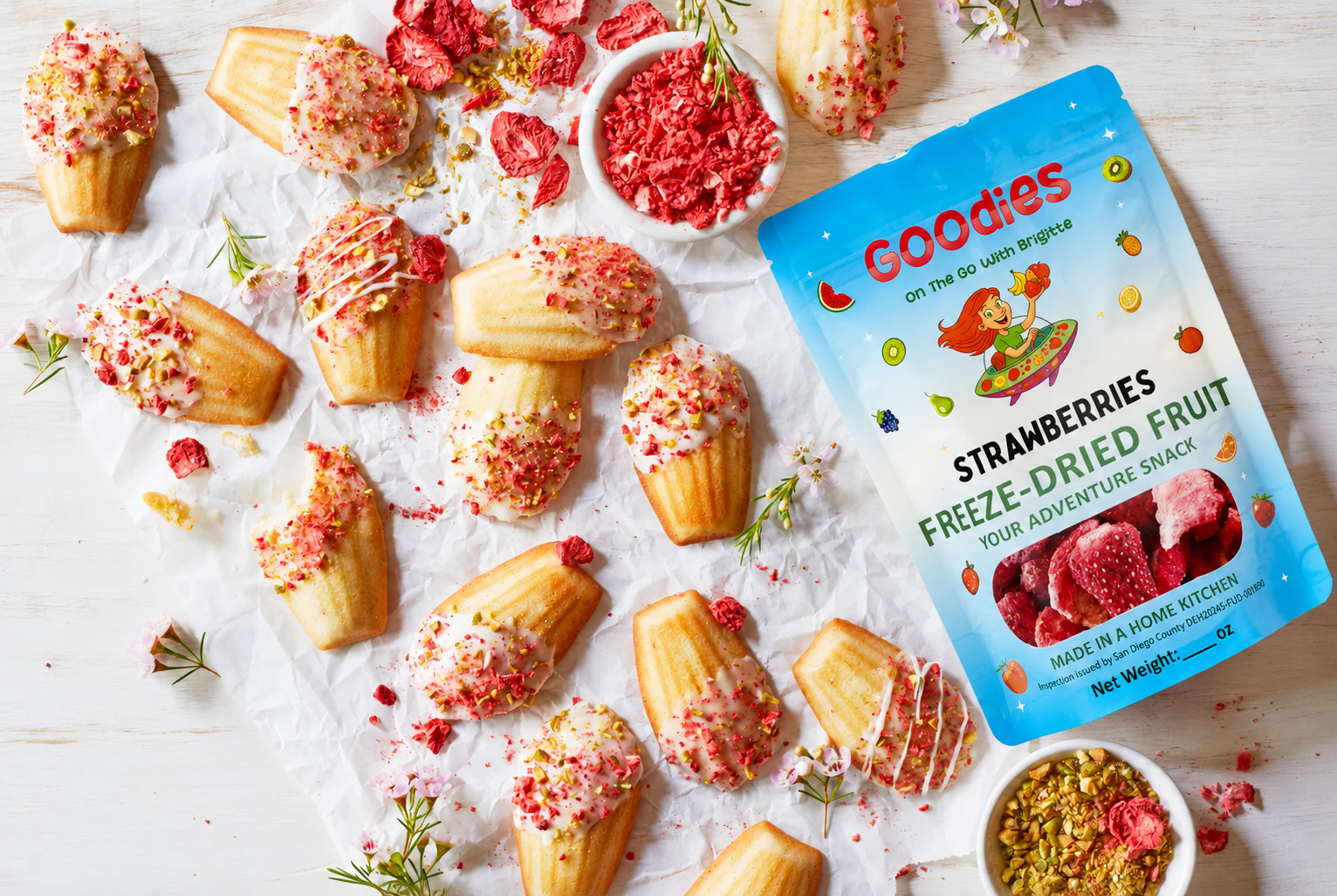
When it comes to snacking on fruit, convenience often collides with nutrition. You might have found yourself staring at the store aisle, weighing freeze dried fruit versus dehydrated fruit, and wondering which option truly benefits your health. Both promise longer shelf life and portability, yet the differences go far beyond texture and taste. Understanding these differences can help you make a smarter choice for your body, lifestyle, and even your kids’ lunchboxes.
Differences Between Freeze-Dried and Dehydrated Fruit
At first glance, freeze-dried and dehydrated fruits might seem similar. They are both dried, portable, and ready to eat. The key distinction lies in their processing. Freeze-drying involves freezing the fruit first and then slowly removing moisture through a vacuum. This method locks in most of the fruit’s natural nutrients and flavor.
Dehydration, on the other hand, uses heat to extract water. While effective, the heat can break down some heat-sensitive vitamins like vitamin C and slightly alter the taste. Dehydrated fruits are often chewier and more concentrated in natural sugars, whereas freeze-dried fruits maintain a light, airy crunch that feels almost like eating fresh fruit in miniature form.
Vitamin and Mineral Retention in Fruit Snacks
If nutrition is your main concern, freeze-dried fruit has a clear edge. Because the process avoids high heat, most vitamins and minerals such as potassium, magnesium and vitamin A remain intact. Dehydrated fruits, though still rich in nutrients, can lose some of these sensitive compounds during heat processing.
This makes freeze-dried options particularly attractive for health-conscious snackers and those seeking to maximize the nutritional punch of their fruit intake. Whether sprinkled over yogurt, blended into smoothies, or eaten straight from the bag, freeze-dried fruits deliver more of the vitamins your body needs without extra effort.
Sugar Content in Freeze-Dried vs Dehydrated Fruit
It’s easy to assume all dried fruits are equally sweet, but the truth is more nuanced. Dehydrated fruits often contain concentrated sugars because the removal of water amplifies natural sweetness. Some commercial brands even add extra sugar, turning a healthy snack into a sugary treat.
Freeze-dried fruits, however, retain the fruit’s original sweetness without the need for added sugar. This makes them a better option for anyone managing blood sugar, following a low-sugar diet, or simply seeking a guilt-free snack. By understanding sugar content differences, you can choose a dried fruit snack that aligns with your health goals.
Texture and Taste Comparison
If snacking enjoyment matters as much as nutrition, texture and taste are vital. Dehydrated fruits are chewy, dense, and slightly sticky, perfect for savoring slowly. Freeze-dried fruits, in contrast, offer a crisp, melt-in-your-mouth experience that many snackers describe as ‘like candy but healthy.
Flavor retention is another consideration. Freeze-drying preserves the fruit’s natural color and aroma, while dehydration can sometimes lead to darker, slightly caramelized notes. Ultimately, personal preference will guide your choice, but both options offer unique sensory experiences.
Shelf Life and Storage Benefits
One undeniable advantage of both freeze-dried and dehydrated fruits is their extended shelf life, but freeze-dried fruits tend to last longer. Because nearly all moisture is removed, they are less prone to mold and spoilage. Dehydrated fruits, while stable, still contain trace moisture, which can shorten their shelf life if not stored properly.
Both options are portable, making them ideal for snacks on hikes, road trips, or office desks. For families or anyone stocking a pantry with non-perishable options, understanding storage requirements can prevent waste and ensure you always have a healthy snack on hand.
Best Fruit Snacks for Weight Management
For anyone watching their weight, freeze-dried fruits can be a game-changer. Low in calories but high in fiber, they help satisfy cravings without overloading your diet. Dehydrated fruits are more calorie-dense due to their concentrated sugars, so portion control becomes more important.
Incorporating freeze-dried fruit into your daily routine is an easy, sustainable way to stay on track while still enjoying a sweet, flavorful treat.
Convenience and On-the-Go Snacking Options
Life moves fast, and snacks need to keep up. Both freeze-dried fruit and dehydrated fruit offer grab-and-go convenience. The lightweight packaging, long shelf life, and mess-free nature make them perfect for commuting, travel, or school lunches.
For busy Californians or anyone in San Diego looking to stock a pantry with quick, healthy options, Freeze Dried Fruit for Sale San Diego provides a local, high-quality solution that fits seamlessly into an active lifestyle.
Are Freeze-Dried Fruits Better for Kids?
Parents often wonder which dried fruits are safest and most nutritious for children. Freeze-dried fruits hold several advantages: they retain most vitamins, are easy to chew, and generally contain no added sugars. Their fun, crunchy texture makes them appealing to kids, encouraging healthy snacking habits early on.
Dehydrated fruits are fine too, but extra sugar or sticky textures can be less ideal for younger children, especially when it comes to dental health and portion control.
Healthiest Choices for Homemade Fruit Snacks
Making your own dried fruit at home can be a fun and rewarding project. Freeze-drying at home is less common because it requires specialized equipment, but dehydrating fruit in a low-temperature oven or food dehydrator is simple and effective. For maximum nutrient retention, choose organic fruits, avoid added sugars, and consider combining them with nuts or seeds for a balanced snack.
Whether purchased from a trusted local supplier like Goodies On The Go With Brigitte or made at home, prioritizing whole ingredients ensures you’re getting the best possible snack for your family.
How Processing Methods Affect Antioxidants
Antioxidants are key compounds that protect your body from free radical damage, and they differ between freeze-dried and dehydrated fruits. Freeze-drying tends to preserve higher levels of antioxidants like flavonoids and polyphenols because it avoids heat. Dehydration can reduce these protective compounds slightly, though the fruit still offers health benefits.
Understanding how processing affects antioxidants helps you make smarter choices, especially if your goal is to incorporate more disease-fighting nutrients into your diet.
Conclusion
So, freeze dried fruit vs dehydrated. Which should you choose? It ultimately depends on your priorities. If maximum nutrient retention, low sugar, and a crisp texture matter most, freeze-dried fruit is the winner. If you prefer chewy snacks, home dehydrating options, or more concentrated flavor, dehydrated fruit remains a strong contender.
In either case, both forms provide convenient, long-lasting, and healthy alternatives to processed snacks. For anyone in San Diego or beyond looking for high-quality dried fruit options, Goodies On The Go With Brigitte offers a delicious way to enjoy nature’s candy anytime, anywhere.
FAQ’s
1. Is freeze-dried fruit healthier than dehydrated fruit?
Yes, freeze-dried fruit retains more vitamins, minerals, and antioxidants, making it a slightly healthier option.
2. Can kids eat freeze-dried fruit safely?
Absolutely! Freeze-dried fruits are crunchy, flavorful, and usually contain no added sugar, making them a great snack for children.
3. How long does freeze-dried fruit last compared to dehydrated fruit?
Freeze-dried fruit can last up to 25 years when stored properly, while dehydrated fruit typically lasts 6–12 months.
4. Can I use freeze-dried fruit in recipes like smoothies or baking?
Yes! Freeze-dried fruit can be rehydrated in recipes or used as-is to add natural flavor and nutrients.
5. Where can I buy high-quality freeze-dried fruit in San Diego?
You can find premium options at Goodies On The Go With Brigitte, offering a variety of freeze-dried fruits perfect for snacking or cooking.